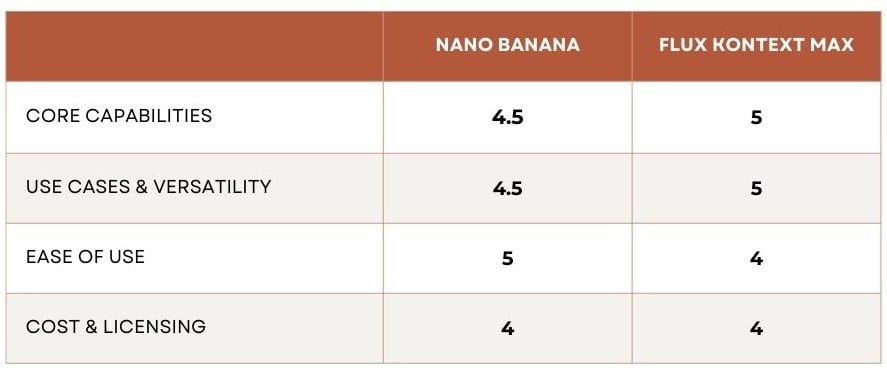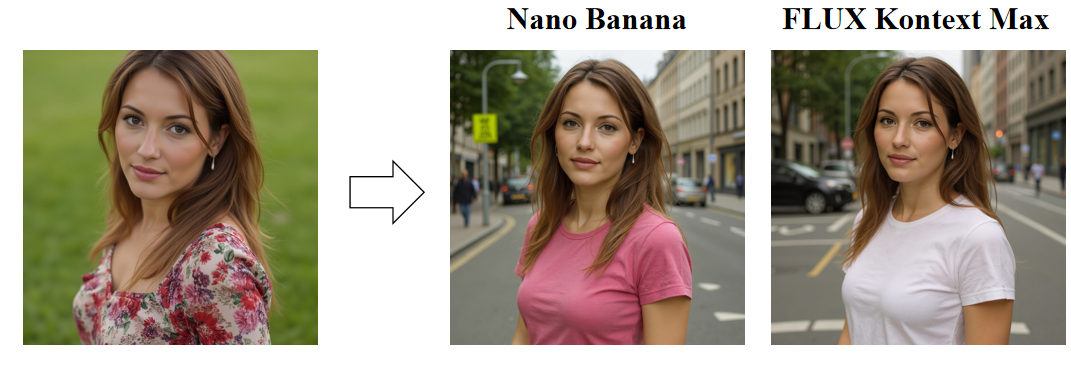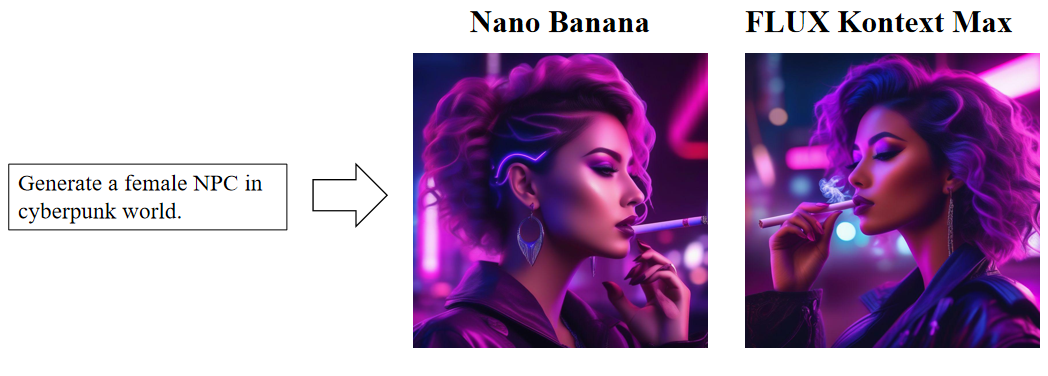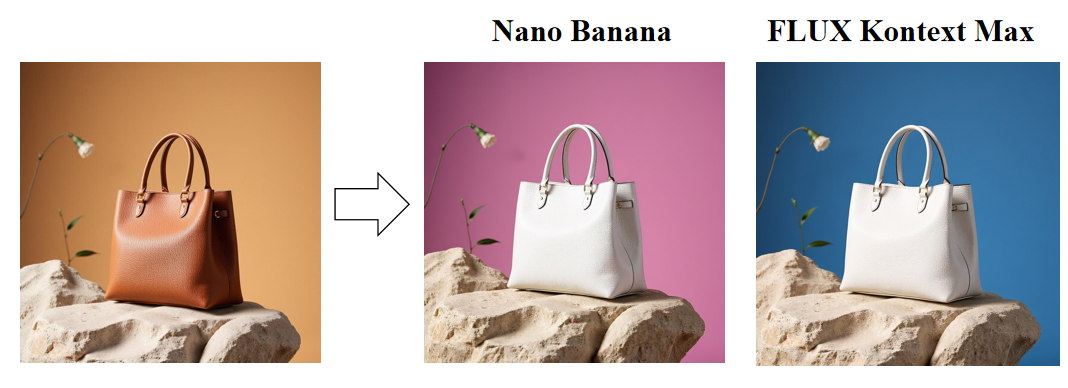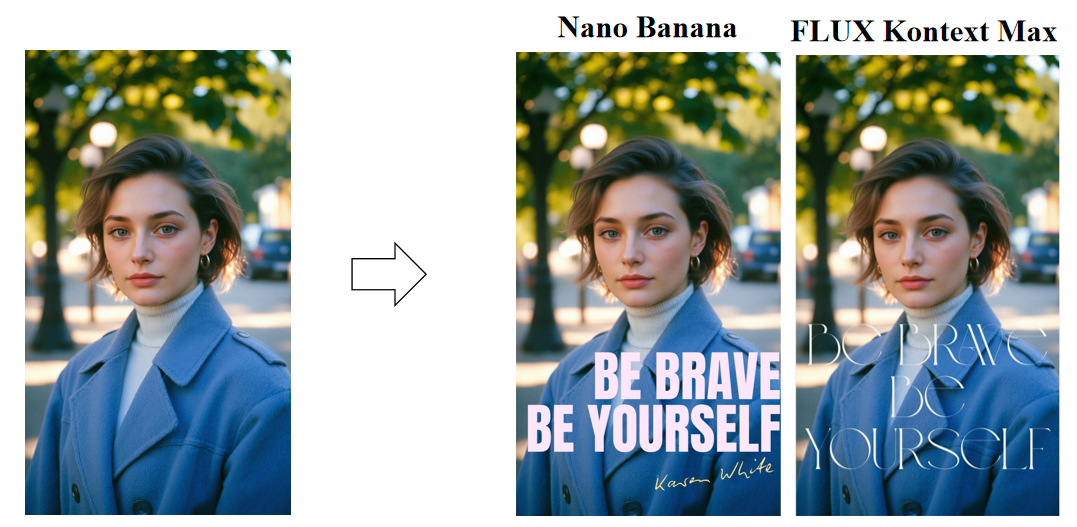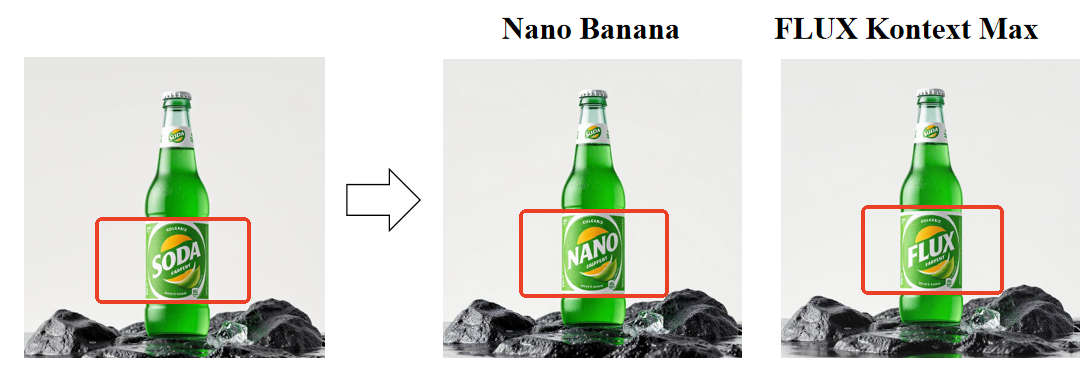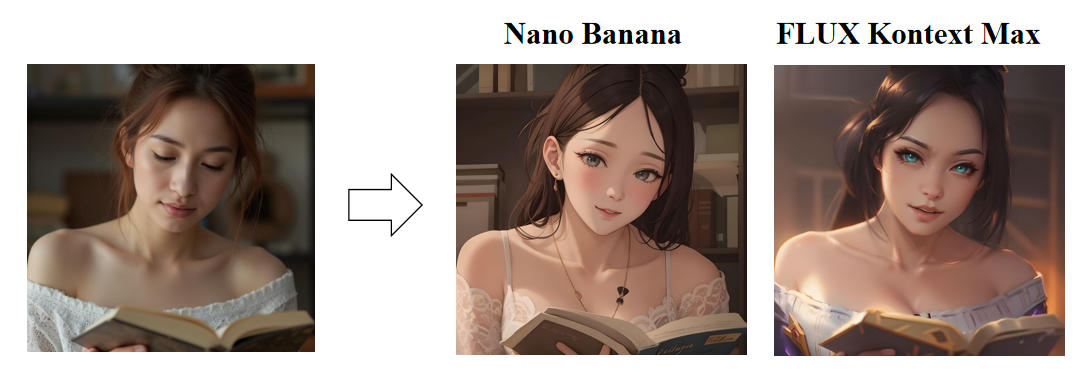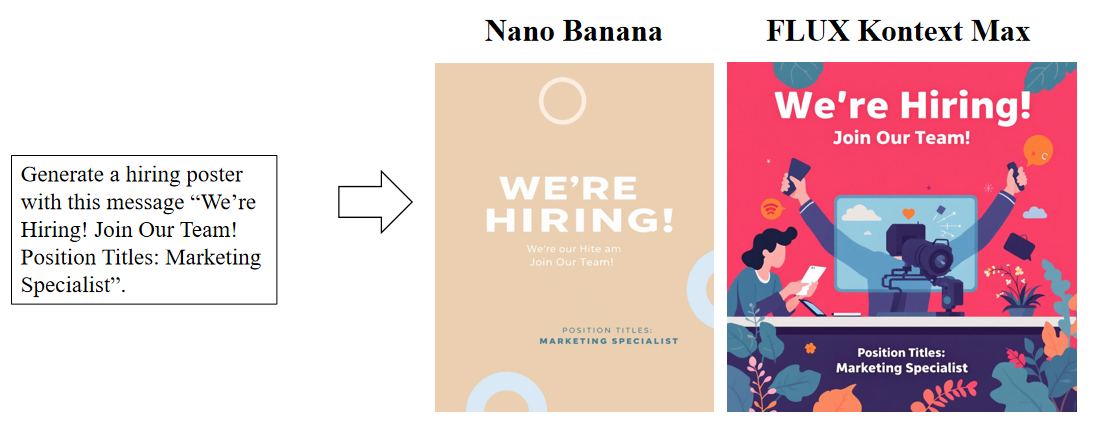
Context-aware image editing and identity preservation have quickly become the primary focus of AI image generation. With Google introducing its lightweight image generation and editing capabilities, often referenced in creative workflows as Nano Banana, users gained an accessible, conversational way to make direct visual edits. Meanwhile, creators requiring fine-grained workflow precision and character consistency have heavily adopted FLUX Kontext, a model known for its workflow efficiency and commercial stability.
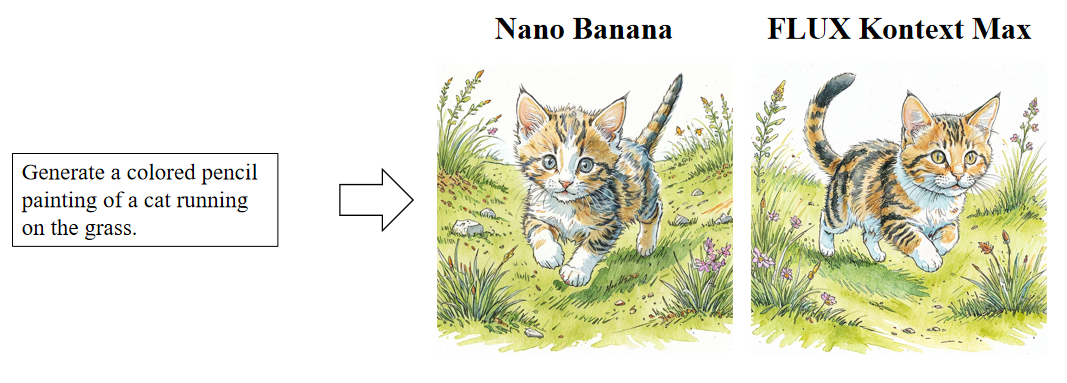
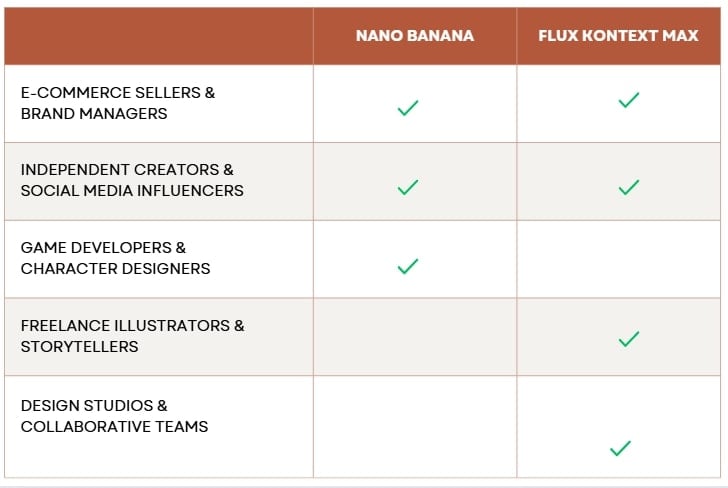
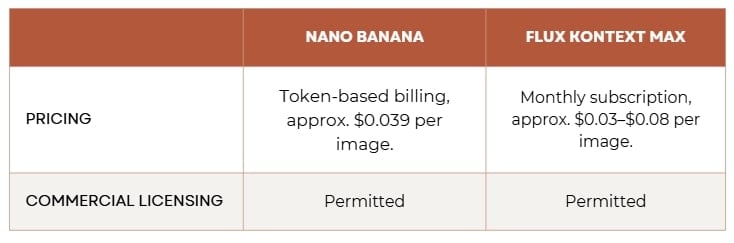
Choosing between these two tools comes down to your primary use case: whether you prioritize conversational speed or detailed element control. In this guide, we evaluate both models across real-world testing scenarios, using identical prompts and reference images to analyze their strengths, trade-offs, and ideal applications.